

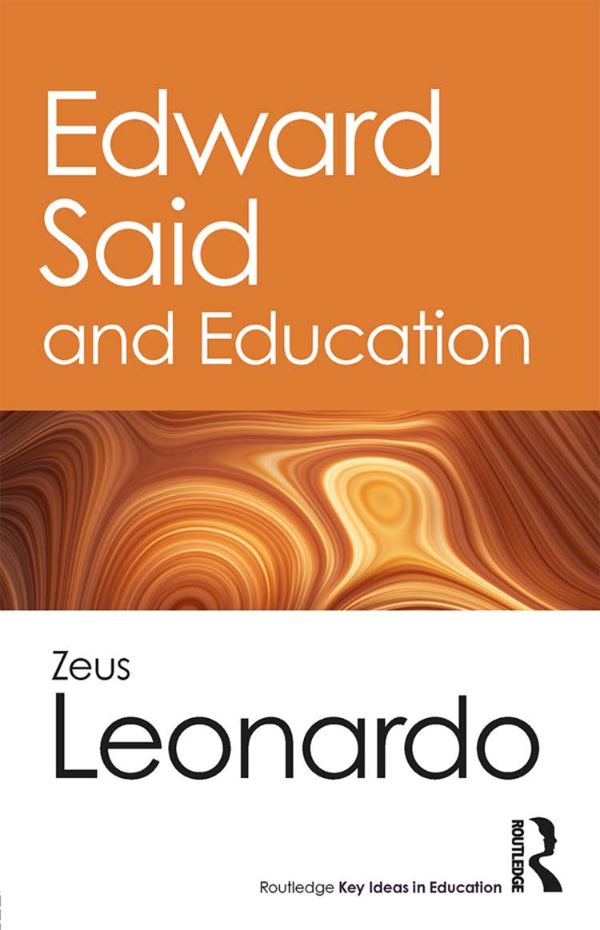
Edward Said and Education
چکیده فارسی
کتاب Edward Said and Education به بررسی اندیشههای ادوارد سعید در حوزه آموزش، برنامه درسی و استعمارزدایی از دانش میپردازد و نشان میدهد که آموزش صرفاً فرآیندی برای انتقال دانش نیست، بلکه عرصهای برای بازتولید یا مقاومت در برابر روابط قدرت است. نویسنده با تکیه بر آثار سعید، بهویژه شرقشناسی، فرهنگ و امپریالیسم و بازنماییهای روشنفکر، استدلال میکند که نظامهای آموزشی و برنامههای درسی در طول تاریخ تحت تأثیر گفتمانهای استعمارگرایانه و اروپامحور شکل گرفتهاند و در نتیجه، بازنمایی دانش، هویت و فرهنگ را در خدمت سلطه سیاسی و فرهنگی قرار دادهاند.
کتاب ضمن تبیین مفهوم «استعمارزدایی از برنامه درسی»، بر ضرورت بازنگری در مبانی معرفتشناختی آموزش تأکید میکند و نشان میدهد که اصلاح آموزش تنها با تغییر محتوای درسی محقق نمیشود، بلکه مستلزم دگرگونی شیوههای تولید دانش، نقد شرقشناسی، پذیرش تکثر فرهنگی و بازاندیشی در نقش دانشگاه و معلم است. در این چارچوب، سعید روشنفکر و معلم را نه بهعنوان صاحبان حقیقت، بلکه بهعنوان افرادی منتقد، مستقل و مسئول معرفی میکند که باید دانشجویان را به تفکر انتقادی، گفتوگوی میانفرهنگی و مقاومت در برابر سلطه معرفتی سوق دهند.
این اثر با تلفیق نظریههای پسااستعماری، مطالعات برنامه درسی، فلسفه آموزش و نظریه انتقادی، چارچوبی نوین برای فهم نسبت میان آموزش، قدرت، فرهنگ و استعمار ارائه میدهد و منبعی ارزشمند برای پژوهشگران علوم تربیتی، مطالعات فرهنگی، مطالعات پسااستعماری و فلسفه آموزش به شمار میرود.
English Abstract
Edward Said and Education explores Edward Said's educational thought by examining the relationships among knowledge, curriculum, colonialism, and power. Drawing primarily on Said's major works, including Orientalism, Culture and Imperialism, and Representations of the Intellectual, the book argues that education is not a neutral process of knowledge transmission but a political and cultural practice through which colonial and Eurocentric forms of knowledge have historically been constructed, legitimized, and reproduced. Educational institutions and curricula are therefore understood as key sites where power shapes identities, cultural representations, and social hierarchies.
The book develops a comprehensive framework for the decolonization of education by emphasizing that curriculum reform requires more than the inclusion of diverse content; it demands a fundamental transformation of the epistemological assumptions underlying knowledge production. Through concepts such as contrapuntal reading, traveling theory, critical humanism, and the public intellectual, Said redefines the roles of teachers and universities as spaces for critical inquiry, intercultural dialogue, and resistance to epistemic domination rather than instruments of ideological reproduction.
Integrating postcolonial theory, curriculum studies, critical pedagogy, and philosophy of education, the book provides a sophisticated theoretical framework for understanding how education can contribute to decolonizing knowledge, fostering critical citizenship, and promoting more inclusive and pluralistic educational practices. It is an important resource for scholars and graduate students in education, curriculum studies, cultural studies, and postcolonial theory.