
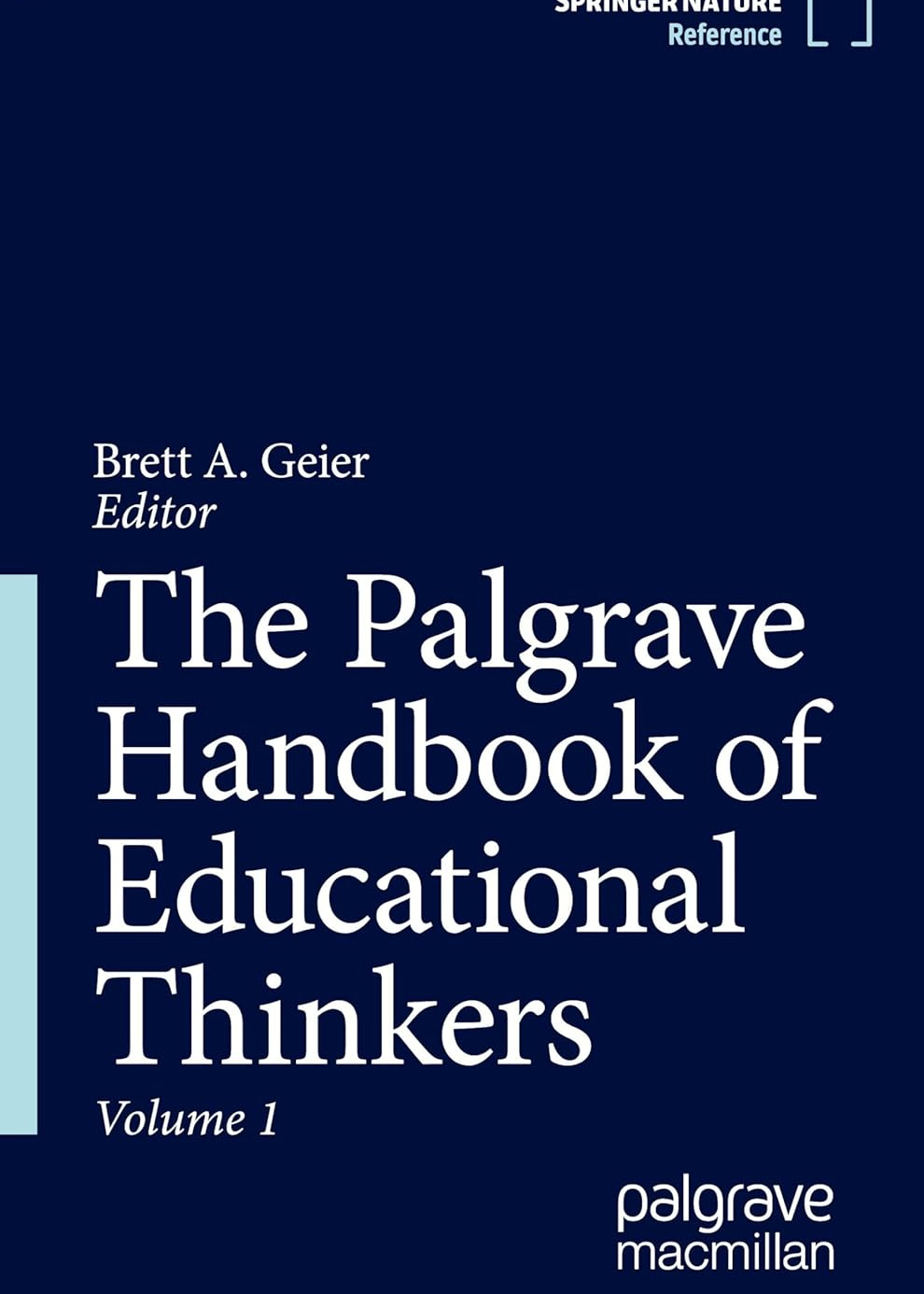
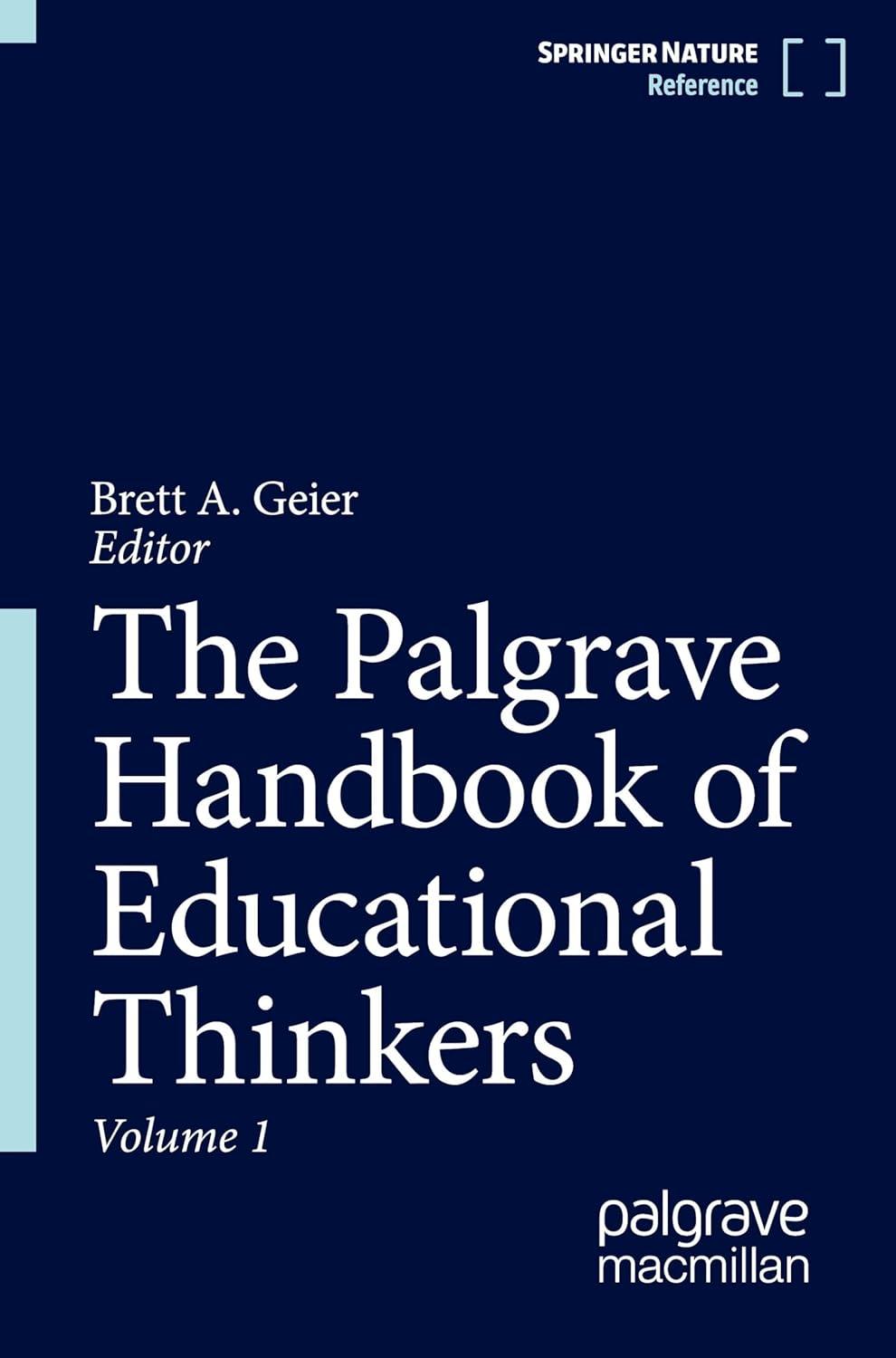
The Palgrave Handbook of Educational Thinkers
چکیده فارسی
کتاب The Palgrave Handbook of Educational Thinkers یکی از جامعترین آثار مرجع در حوزه اندیشههای تربیتی است که سیر تحول تفکر آموزشی را از دوران باستان تا قرن بیستویکم بررسی میکند. این اثر با گردآوری دیدگاههای ۱۳۵ متفکر برجسته، تصویری منسجم از تاریخ اندیشه تعلیم و تربیت ارائه میدهد و نشان میدهد که نظریهها و فلسفههای آموزشی در بستر تحولات اجتماعی، فرهنگی، سیاسی و علمی شکل گرفته و تکامل یافتهاند. کتاب در چهار بخش زمانی شامل دوران باستان تا سال ۱۲۰۰، دوره ۱۲۰۰ تا ۱۹۰۰، متفکران قرن بیستم و اندیشمندان معاصر سازماندهی شده و اندیشههای شخصیتهایی همچون ارسطو، توماس آکویناس، ژان ژاک روسو، جان دیویی، ماریا مونتهسوری، پائولو فریره، ادوارد سعید، پیر بوردیو، هنری ژیرو، هاوارد گاردنر، کارول دوئک و بسیاری دیگر را تحلیل میکند.
هر فصل علاوه بر معرفی زندگی و زمینههای فکری هر اندیشمند، به مهمترین نظریهها، نوآوریها، آثار، تأثیرات آموزشی، میراث علمی و نقدهای وارد بر دیدگاههای او میپردازد و ارتباط اندیشههای کلاسیک با مسائل نوین آموزش، از جمله عدالت آموزشی، آموزش چندفرهنگی، یادگیری اجتماعی، فناوریهای آموزشی، آموزش دموکراتیک، رهبری آموزشی و آموزش انتقادی را تبیین میکند. این کتاب با بهرهگیری از مشارکت پژوهشگران برجسته دانشگاههای مختلف جهان، چارچوبی میانرشتهای برای مطالعه فلسفه تعلیم و تربیت، نظریههای یادگیری، برنامه درسی، جامعهشناسی آموزش و سیاستگذاری آموزشی فراهم میآورد و منبعی ارزشمند برای پژوهشگران، استادان، دانشجویان تحصیلات تکمیلی و سیاستگذاران آموزشی به شمار میرود.
English Abstract
The Palgrave Handbook of Educational Thinkers is a comprehensive reference that traces the historical evolution of educational thought from antiquity to the twenty-first century. Bringing together the contributions of 135 influential educational thinkers, the volume presents a systematic account of how educational philosophies and pedagogical theories have developed in response to changing social, political, cultural, and intellectual contexts. Organized into four chronological sections—Antiquity to 1200, 1200–1900, 1900–1970, and 1970 to the present—the handbook examines the educational ideas of major figures including Aristotle, Thomas Aquinas, Jean-Jacques Rousseau, John Dewey, Maria Montessori, Paulo Freire, Edward Said, Pierre Bourdieu, Henry Giroux, Howard Gardner, Carol Dweck, and many others.
Each chapter explores the intellectual background, principal educational ideas, major publications, theoretical contributions, enduring influence, and critical assessment of an individual thinker while demonstrating the continuing relevance of their work to contemporary educational issues such as educational equity, multicultural education, democratic schooling, curriculum studies, educational leadership, critical pedagogy, social learning, and educational innovation. Written by an international team of scholars, the handbook offers an interdisciplinary framework that integrates the philosophy, history, sociology, and policy of education. As such, it serves as an indispensable resource for researchers, graduate students, teacher educators, and policymakers seeking a comprehensive understanding of the foundations and contemporary development of educational thought.