
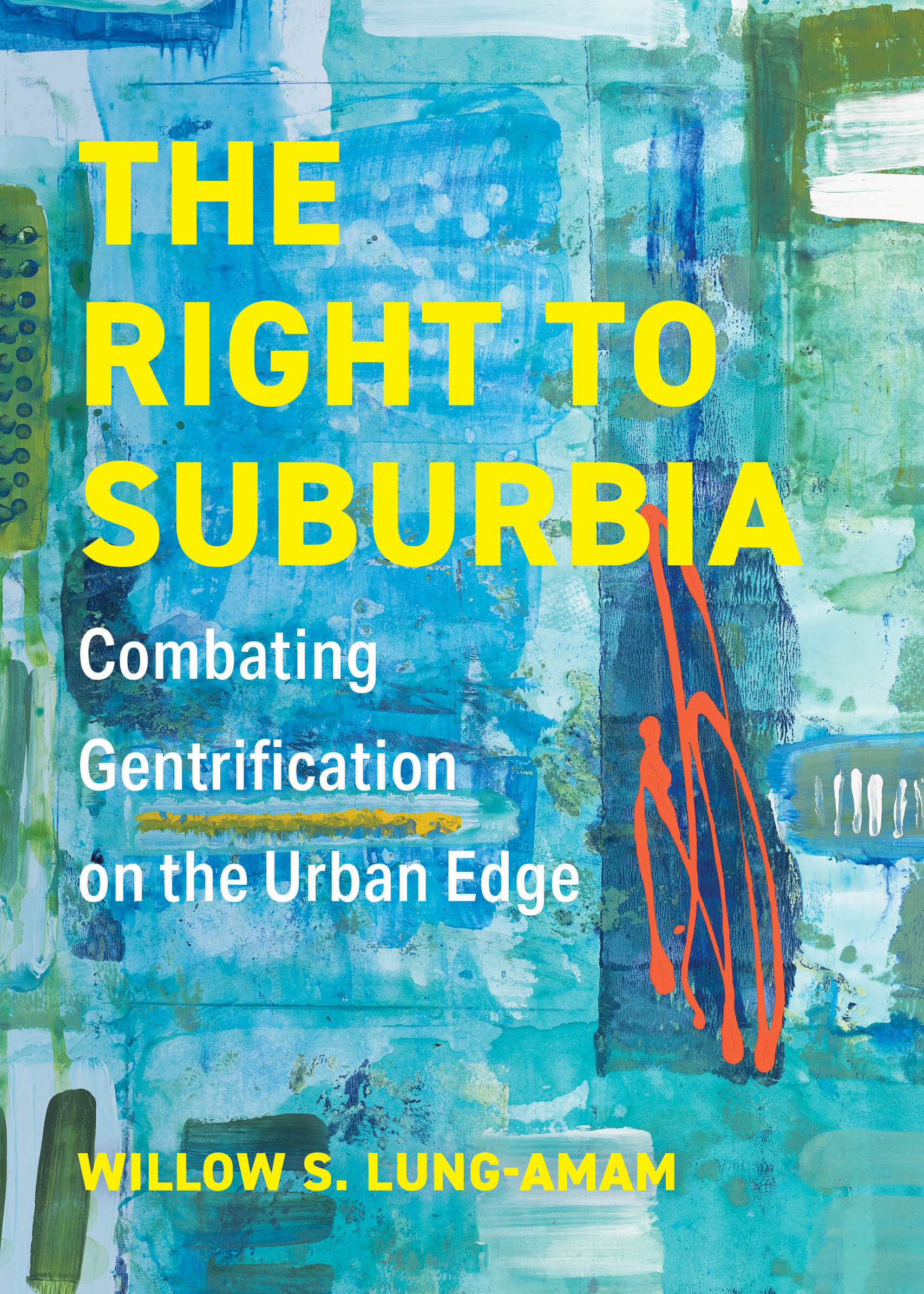

The Right to Suburbia Combating Gentrification on the Urban Edge
چکیده فارسی
حق حومهنشینی: مقابله با اعیانسازی در حاشیه شهر (The Right to Suburbia: Combating Gentrification on the Urban Edge) اثر ویلو اس. لانگ-آمام (Willow S. Lung-Amam) به بررسی یکی از مهمترین تحولات معاصر شهرسازی، یعنی گسترش فرایند اعیانسازی (Gentrification) از مراکز شهری به مناطق حومهای میپردازد. نویسنده با تمرکز بر حومههای منطقه کلانشهری واشنگتن دیسی، نشان میدهد که حومهها دیگر صرفاً محل سکونت طبقه متوسط سفیدپوست نیستند، بلکه به فضاهایی متنوع از نظر قومی، نژادی و اقتصادی تبدیل شدهاند که مهاجران، اقلیتهای نژادی و طبقات متوسط و کمدرآمد در آن نقش مهمی دارند.
کتاب با بهرهگیری از پژوهشهای میدانی، مصاحبههای عمیق و تحلیل سیاستهای شهری، پیامدهای سرمایهگذاریهای کلان، افزایش ارزش زمین و مسکن، و تغییرات برنامهریزی شهری را بر زندگی ساکنان قدیمی بررسی میکند. نویسنده استدلال میکند که سیاستهای توسعهمحور، بدون توجه به عدالت فضایی و حق سکونت، موجب جابهجایی اجباری ساکنان، تضعیف هویت اجتماعی محلهها و افزایش نابرابری میشود.
در ادامه، مفهوم «حق بر حومه» بهعنوان گسترشی از نظریه «حق بر شهر» مطرح میشود؛ مفهومی که بر حق تمامی شهروندان، بهویژه گروههای آسیبپذیر، برای مشارکت در تصمیمگیریهای شهری، بهرهمندی از مسکن مقرونبهصرفه و حفظ پیوندهای اجتماعی و فرهنگی تأکید دارد. این اثر ضمن نقد سیاستهای رایج توسعه شهری، راهکارهایی برای تحقق برنامهریزی عادلانه، توسعه فراگیر و حفاظت از جوامع محلی ارائه میدهد و به یکی از منابع مهم در مطالعات شهرسازی، برنامهریزی شهری، عدالت اجتماعی، جغرافیای شهری و سیاستگذاری عمومی تبدیل شده است.
English Abstract
The Right to Suburbia: Combating Gentrification on the Urban Edge by Willow S. Lung-Amam explores one of the most significant contemporary urban transformations: the expansion of gentrification from inner cities into suburban communities. Focusing on the suburbs of the Washington, D.C. metropolitan region, the author demonstrates that suburbs have evolved beyond their traditional identity as predominantly white, middle-class residential areas and have become increasingly diverse spaces inhabited by immigrants, racial minorities, and working- and middle-class populations.
Drawing on extensive fieldwork, in-depth interviews, and urban policy analysis, the book examines how large-scale redevelopment, rising property values, and changing planning priorities reshape suburban neighborhoods. It argues that market-driven development policies often displace long-term residents, undermine community identity, and exacerbate social and spatial inequalities when equity considerations are overlooked.
Building upon Henri Lefebvre's concept of the "Right to the City," Lung-Amam introduces the notion of the "Right to Suburbia," emphasizing that suburban residents—particularly marginalized communities—should have the right to affordable housing, meaningful participation in planning processes, and the preservation of their social and cultural networks. By advocating more inclusive and equitable approaches to suburban development, the book provides valuable insights for scholars and practitioners in urban planning, geography, public policy, housing studies, and social justice, while offering practical frameworks for addressing displacement and promoting equitable suburban futures.