
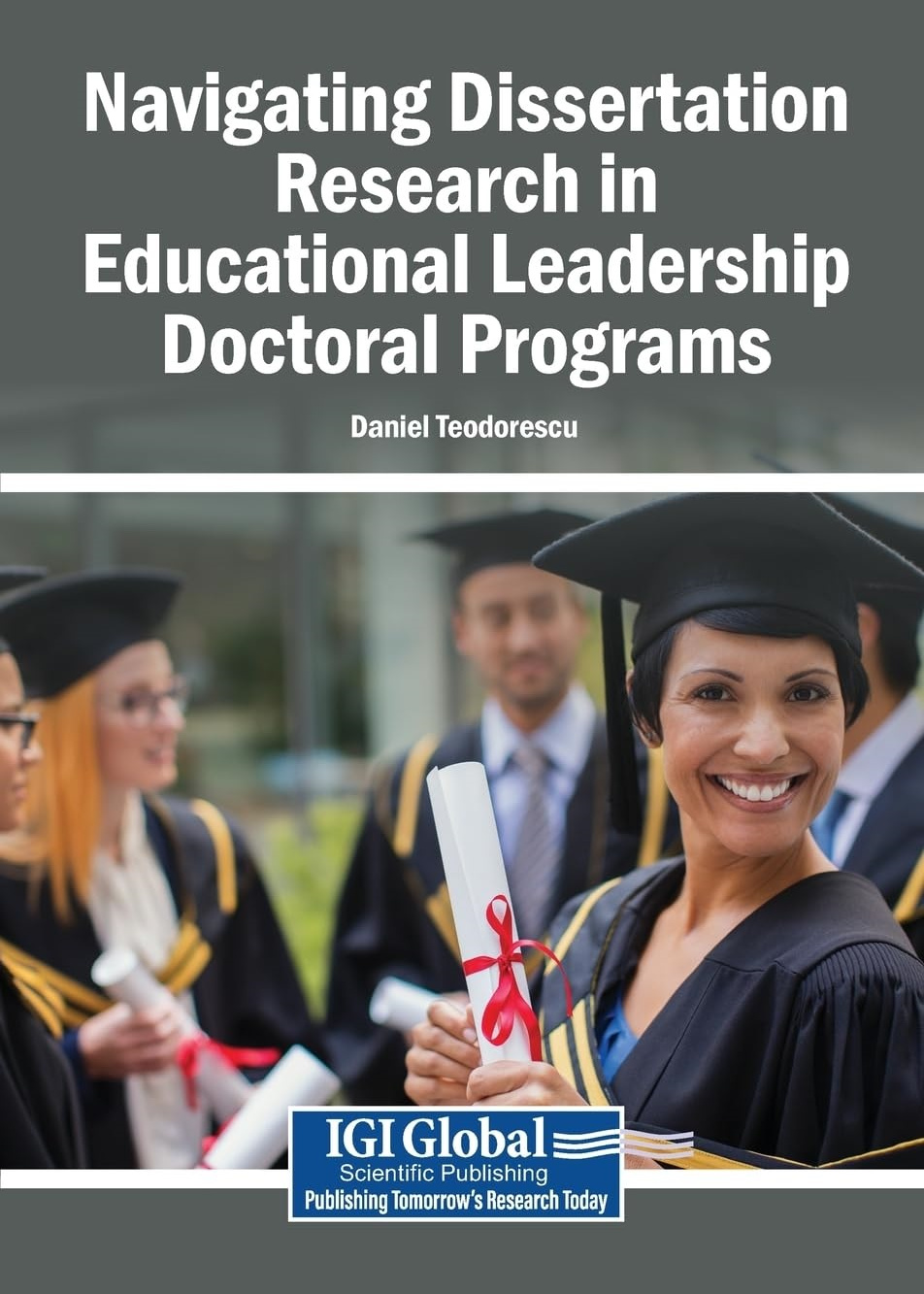
Navigating Dissertation Research in Educational Leadership Doctoral Programs
چکیده فارسی
کتاب Navigating Dissertation Research in Educational Leadership Doctoral Programs به ویراستاری Daniel Teodorescu راهنمایی جامع برای دانشجویان دکتری رشته رهبری آموزشی است که قصد دارند فرایند تدوین رساله دکتری را با موفقیت طی کنند. این اثر با رویکردی کاربردی، تمامی مراحل انجام پژوهش رساله را از انتخاب موضوع و تدوین پرسشهای پژوهش تا طراحی چارچوب نظری، مرور ادبیات، انتخاب روش تحقیق، گردآوری و تحلیل دادهها، ملاحظات اخلاقی، نگارش یافتهها و دفاع از رساله تشریح میکند.
کتاب علاوه بر تبیین مبانی نظری پژوهش، بر چالشهای عملی دانشجویان دکتری نیز تمرکز دارد و با ارائه نمونههای واقعی، مطالعات موردی و توصیههای اجرایی، راهکارهایی برای مدیریت مشکلات رایج در مسیر پژوهش ارائه میدهد. همچنین به نقش فناوریهای نوین، از جمله هوش مصنوعی مولد، در جستجوی منابع، نگارش مرور ادبیات و رعایت اصول اخلاق پژوهش پرداخته و شیوه استفاده مسئولانه از این ابزارها را بررسی میکند.
این کتاب منبعی ارزشمند برای دانشجویان دکتری، استادان راهنما، اعضای کمیتههای رساله، پژوهشگران حوزه آموزش و مدیران دانشگاهی محسوب میشود و با تأکید بر تلفیق دقت علمی، کاربردپذیری و رهبری آموزشی، به پژوهشگران کمک میکند تا رسالهای منسجم، معتبر و اثرگذار تدوین کنند.
English Abstract
Navigating Dissertation Research in Educational Leadership Doctoral Programs, edited by Daniel Teodorescu, is a comprehensive guide designed to support doctoral students in educational leadership throughout the dissertation process. The book provides practical guidance on every stage of dissertation research, including identifying a meaningful research problem, developing research questions, conducting literature reviews, selecting theoretical and conceptual frameworks, choosing appropriate research designs, collecting and analyzing data, addressing ethical issues, interpreting findings, and preparing the final dissertation.
Rather than focusing solely on research theory, the volume emphasizes practical strategies for overcoming the common challenges encountered during doctoral study. Through real-world examples, case studies, and evidence-based recommendations, it helps doctoral candidates strengthen their research skills, improve scholarly writing, and successfully navigate complex methodological decisions. The book also discusses the ethical use of emerging technologies, including generative artificial intelligence, in literature reviews and academic research.
Serving as both a methodological reference and a practical handbook, this volume is an important resource for doctoral students, dissertation supervisors, faculty members, educational researchers, and higher education institutions seeking to enhance the quality and impact of doctoral research in educational leadership.