
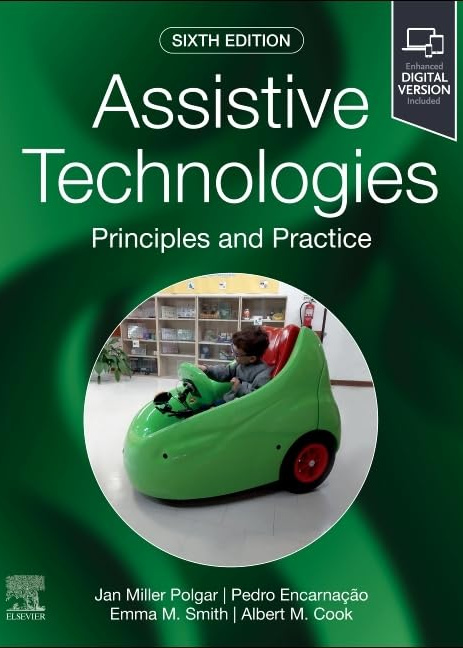
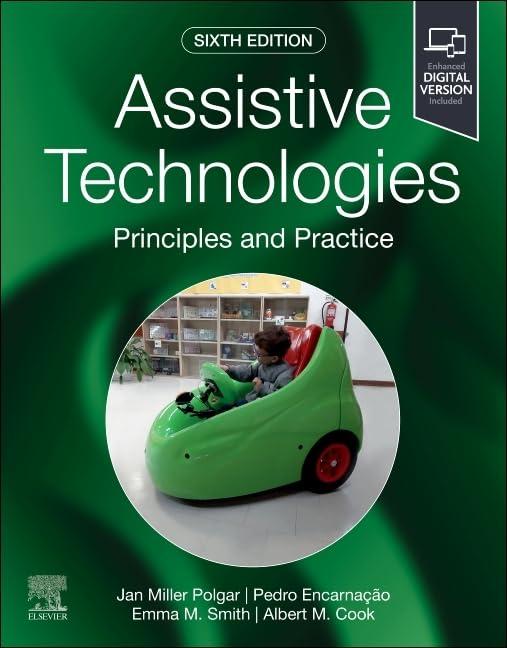
Assistive Technologies: Principles and Practice
چکیده فارسی
کتاب Assistive Technologies: Principles and Practice اثر Janice Miller Polgar یکی از جامعترین منابع دانشگاهی در حوزه فناوریهای کمکی و توانبخشی است که با رویکردی میانرشتهای، مبانی نظری، اصول طراحی، انتخاب، ارزیابی و کاربرد فناوریهای کمکی را برای افراد دارای معلولیت بررسی میکند. این کتاب بر پایه مدل Human Activity Assistive Technology (HAAT) تدوین شده و نشان میدهد که موفقیت یک فناوری کمکی تنها به ویژگیهای فنی آن وابسته نیست، بلکه به تعامل میان فرد، فعالیت، فناوری و محیط نیز بستگی دارد.
نویسنده ضمن معرفی مفاهیم بنیادین، انواع فناوریهای کمکی مورد استفاده در حوزههای تحرک، ارتباطات، بینایی، شنوایی، مراقبت شخصی، آموزش، اشتغال و زندگی مستقل را تشریح کرده و معیارهای انتخاب و تجویز مناسب این فناوریها را توضیح میدهد. همچنین مباحثی همچون ارزیابی نیازهای کاربران، طراحی کاربرمحور، استانداردهای دسترسپذیری، ملاحظات اخلاقی و حقوقی، سیاستهای حمایتی، خدمات توانبخشی و نقش تیمهای تخصصی در ارائه خدمات فناوریهای کمکی مورد بحث قرار گرفته است.
از ویژگیهای برجسته کتاب، بهرهگیری از مطالعات موردی، مثالهای بالینی و رویکرد مبتنی بر شواهد است که امکان کاربرد عملی مفاهیم را برای دانشجویان و متخصصان فراهم میکند. در ویرایشهای جدید، موضوعاتی مانند رباتیک، فناوریهای هوشمند، تجهیزات خودران، اینترنت اشیا، پایداری، و کاربرد هوش مصنوعی در فناوریهای کمکی نیز به کتاب افزوده شده است.
این اثر منبعی ارزشمند برای دانشجویان و پژوهشگران رشتههای کاردرمانی، مهندسی توانبخشی، فیزیوتراپی، گفتاردرمانی، مهندسی پزشکی، آموزش استثنایی، علوم سلامت و تمامی متخصصان فعال در حوزه توانبخشی محسوب میشود و با تأکید بر ارتقای استقلال، مشارکت اجتماعی و کیفیت زندگی افراد دارای معلولیت، یکی از معتبرترین منابع آموزشی این حوزه به شمار میآید.
English Abstract
Assistive Technologies: Principles and Practice by Janice Miller Polgar is a comprehensive academic textbook that provides an in-depth introduction to the principles, assessment, selection, implementation, and evaluation of assistive technologies for individuals with disabilities. Built upon the Human Activity Assistive Technology (HAAT) model, the book emphasizes that successful assistive technology intervention depends on the dynamic interaction among the individual, the activity, the assistive technology, and the surrounding context rather than on the technology alone.
The book presents the theoretical foundations of assistive technology while offering detailed coverage of mobility devices, communication systems, visual and hearing aids, environmental control systems, computer access technologies, educational supports, and technologies that promote independent living and community participation. It also addresses user assessment, clinical decision-making, person-centered practice, accessibility standards, ethical and legal considerations, service delivery models, and interdisciplinary collaboration in rehabilitation.
A major strength of the text is its evidence-based approach, supported by clinical case studies, practical examples, and structured decision-making frameworks that bridge theory and professional practice. Recent editions further expand coverage of emerging technologies, including robotics, smart mobility systems, autonomous transportation features, artificial intelligence, Internet of Things (IoT) applications, and sustainability issues in assistive technology.
Serving as a leading reference for students, educators, clinicians, rehabilitation engineers, occupational therapists, physiotherapists, speech-language pathologists, and other healthcare professionals, this book provides the knowledge and practical guidance necessary to improve functional independence, participation, accessibility, and quality of life for people with disabilities.