
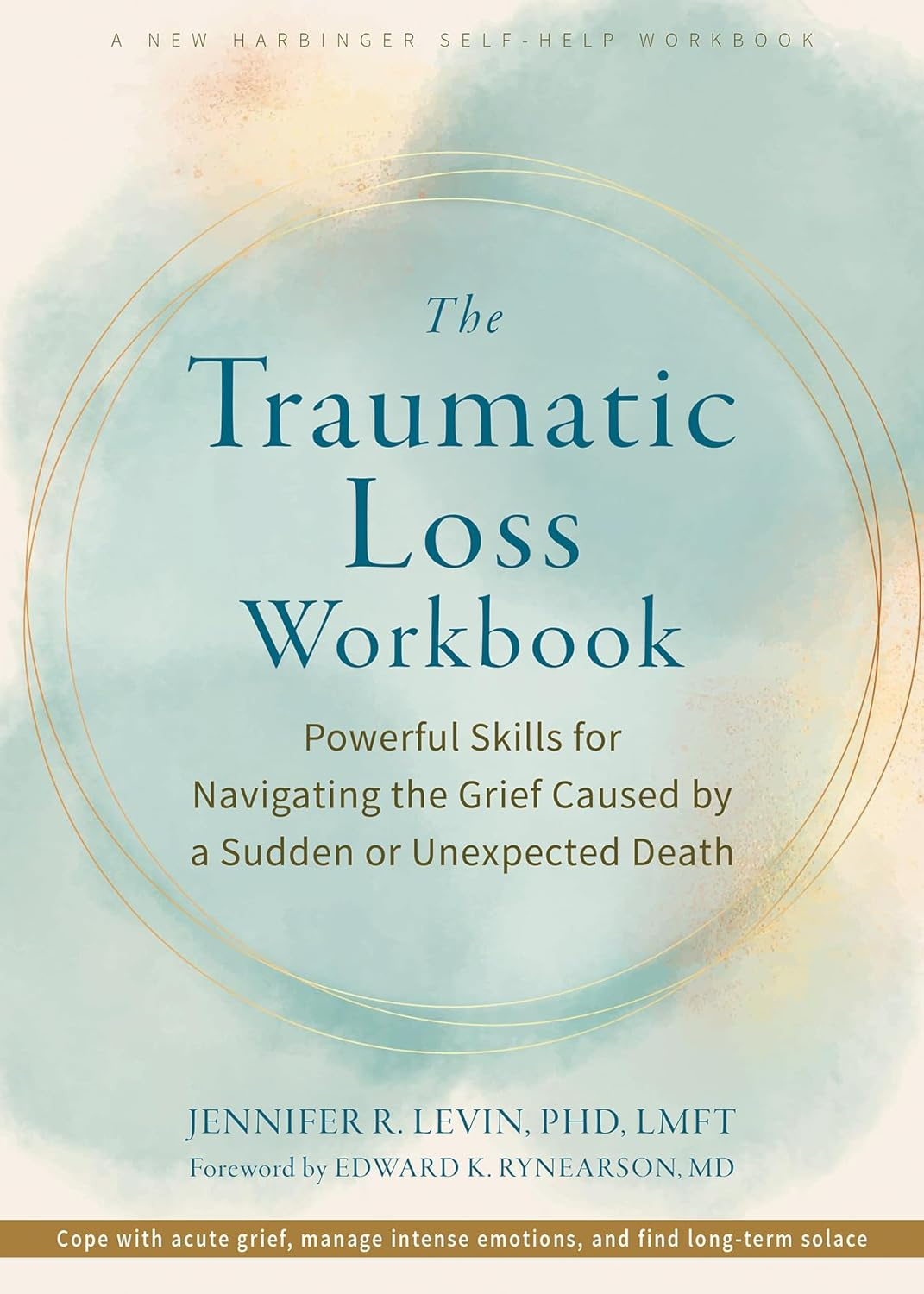
The Traumatic Loss Workbook: Powerful Skills for Navigating the Grief Caused by a Sudden or Unexpected Death
چکیده فارسی
کتاب The Traumatic Loss Workbook: Powerful Skills for Navigating the Grief Caused by a Sudden or Unexpected Death یک راهنمای عملی و مبتنی بر شواهد برای افرادی است که سوگ ناشی از مرگ ناگهانی، غیرمنتظره یا آسیبزا را تجربه کردهاند. این اثر با تلفیق یافتههای روانشناسی سوگ، درمان شناختی-رفتاری (CBT)، درمان مبتنی بر پذیرش و تعهد (ACT)، ذهنآگاهی و رویکردهای نوین درمان تروما، به خوانندگان کمک میکند تا با پیامدهای روانی، هیجانی و جسمانی فقدان کنار آمده و مسیر سازگاری و بازسازی زندگی را طی کنند.
کتاب ابتدا تفاوت میان سوگ طبیعی و سوگ آسیبزا (Traumatic Grief) را تبیین کرده و توضیح میدهد که چگونه مرگ ناگهانی ناشی از حوادث، خودکشی، قتل، بلایای طبیعی، جنگ، بیماریهای ناگهانی یا سایر وقایع غیرمنتظره میتواند علاوه بر اندوه، علائمی مشابه اختلال استرس پس از سانحه (PTSD)، اضطراب، احساس گناه، خشم، بیحسی هیجانی و افکار مزاحم ایجاد کند. سپس با زبانی روان و همراه با مثالهای واقعی، واکنشهای رایج سوگ را تشریح کرده و بر طبیعی بودن بسیاری از این تجربههای هیجانی تأکید میکند.
بخش اصلی کتاب شامل مجموعهای از تمرینهای گامبهگام، پرسشنامهها، برگههای خودارزیابی و فعالیتهای درمانی است که به خواننده کمک میکند احساسات پیچیده خود را شناسایی و پردازش کند، افکار ناکارآمد را اصلاح نماید، با خاطرات دردناک به شیوهای سالم مواجه شود و مهارتهای تنظیم هیجان، ذهنآگاهی، خودشفقتی و تابآوری را تقویت کند. همچنین راهکارهایی برای مدیریت سالگردها، محرکهای هیجانی، احساس گناه بازماندگان، بازسازی هویت فردی، حفظ پیوندهای عاطفی سالم با فرد از دسترفته و بازگشت تدریجی به فعالیتهای روزمره ارائه میشود.
این کتاب منبعی ارزشمند برای افراد داغدیده، روانشناسان، مشاوران، درمانگران سوگ، مددکاران اجتماعی، دانشجویان روانشناسی و سایر متخصصان سلامت روان به شمار میرود. رویکرد عملی، تمرینمحور و مبتنی بر شواهد آن، کتاب را به ابزاری مؤثر برای کاهش رنج روانی، افزایش انعطافپذیری هیجانی و تسهیل فرایند سازگاری با فقدانهای ناگهانی و آسیبزا تبدیل کرده است.
English Abstract
The Traumatic Loss Workbook: Powerful Skills for Navigating the Grief Caused by a Sudden or Unexpected Death is an evidence-based, practical guide designed to help individuals cope with the profound grief associated with sudden, unexpected, or traumatic loss. Integrating principles from grief counseling, Cognitive Behavioral Therapy (CBT), Acceptance and Commitment Therapy (ACT), mindfulness, and trauma-informed care, the workbook provides compassionate, structured guidance for understanding and recovering from traumatic bereavement.
The book begins by distinguishing traumatic grief from normal bereavement, explaining how sudden losses resulting from accidents, suicide, homicide, natural disasters, war, medical emergencies, or other unexpected events can produce symptoms that extend beyond grief, including post-traumatic stress, anxiety, intrusive memories, guilt, anger, emotional numbness, and difficulties in daily functioning. Through clear explanations and relatable examples, it normalizes these responses while helping readers better understand the psychological impact of traumatic loss.
The core of the workbook consists of practical therapeutic exercises, reflective writing activities, self-assessment tools, and coping strategies designed to facilitate emotional processing and psychological healing. Readers learn to identify and challenge unhelpful thoughts, regulate overwhelming emotions, develop mindfulness and self-compassion, process traumatic memories safely, strengthen resilience, and gradually rebuild a meaningful life after loss. The workbook also addresses survivor's guilt, anniversary reactions, emotional triggers, interpersonal relationships, continuing bonds with the deceased, and long-term adjustment to bereavement.
Written for bereaved individuals as well as psychologists, counselors, grief therapists, social workers, students, and other mental health professionals, this workbook serves as both a self-help resource and a valuable clinical companion. By combining evidence-based therapeutic approaches with highly practical exercises, it equips readers with effective skills to navigate traumatic grief, reduce emotional distress, foster resilience, and support long-term psychological recovery following sudden or unexpected loss.