
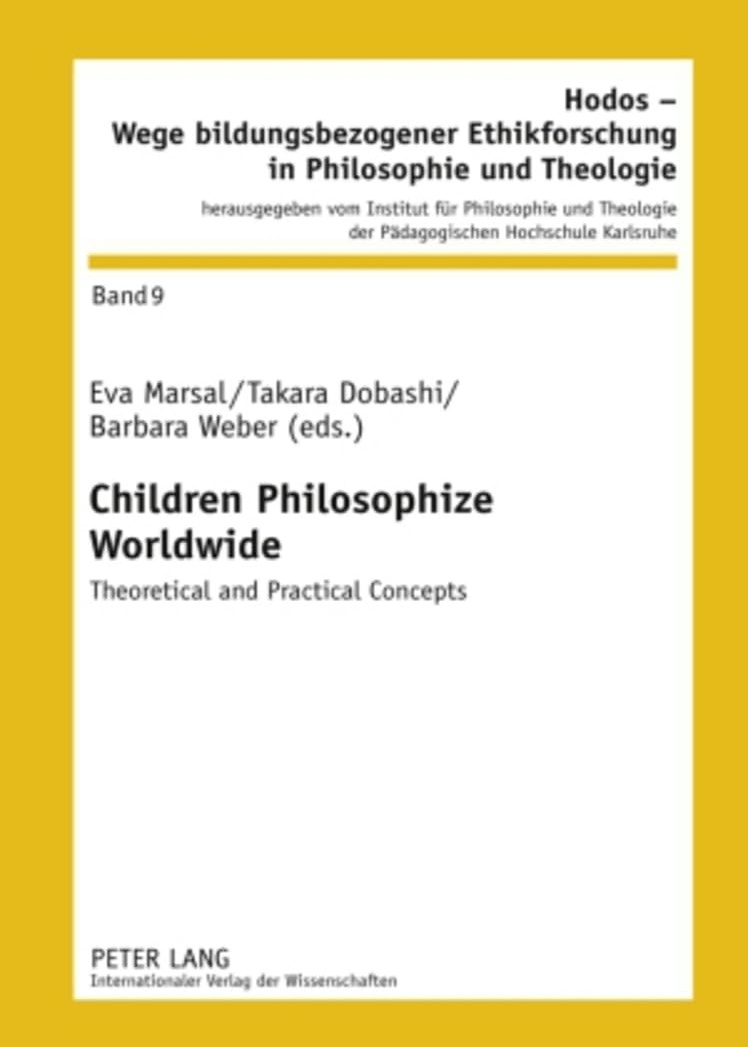
Children Philosophize Worldwide Theoretical and Practical Concepts
چکیده فارسی
کتاب Children Philosophize Worldwide: Theoretical and Practical Concepts مجموعهای از پژوهشها و تجربههای بینالمللی در زمینه فلسفهورزی برای کودکان (Philosophy for/with Children – P4C/PwC) است که با رویکردی نظری و کاربردی، به بررسی جایگاه تفکر فلسفی در آموزش کودکان و نوجوانان در فرهنگها و نظامهای آموزشی گوناگون میپردازد. این اثر با گردآوری دیدگاههای پژوهشگران و مربیان از کشورهای مختلف، نشان میدهد که فلسفهورزی نه تنها ابزاری برای آموزش مفاهیم فلسفی، بلکه روشی مؤثر برای پرورش تفکر انتقادی، خلاق، تأملی و اخلاقی در کودکان است.
کتاب ابتدا مبانی نظری فلسفه برای کودکان، ریشههای تاریخی این جنبش و دیدگاههای متفکرانی همچون متیو لیپمن و دیگر نظریهپردازان این حوزه را بررسی میکند. سپس مفاهیمی مانند جامعه پژوهشی (Community of Inquiry)، گفتوگوی فلسفی، پرسشگری، استدلال، قضاوت منطقی، همدلی، شنیدن فعال و یادگیری مشارکتی را بهعنوان عناصر بنیادین آموزش فلسفی معرفی کرده و نقش آنها را در رشد شناختی، اجتماعی و اخلاقی کودکان تبیین میکند.
بخش عمده کتاب به تجربههای عملی کشورهای مختلف در اجرای برنامههای فلسفه برای کودکان اختصاص دارد. نویسندگان ضمن مقایسه شیوههای آموزشی در محیطهای فرهنگی و آموزشی متنوع، نمونههایی از فعالیتهای کلاسی، روشهای هدایت گفتوگو، طراحی پرسشهای فلسفی، استفاده از داستان، ادبیات کودک، هنر و بازی بهعنوان محرکهای تفکر فلسفی را ارائه میکنند. همچنین چالشهای اجرای این برنامهها، آموزش معلمان، ارزیابی مهارتهای تفکر و انطباق برنامههای فلسفی با نیازهای فرهنگی و آموزشی هر جامعه مورد بررسی قرار میگیرد.
این کتاب بر این نکته تأکید میکند که فلسفهورزی در دوران کودکی میتواند به تقویت توانایی حل مسئله، تصمیمگیری آگاهانه، احترام به دیدگاههای متفاوت، گفتوگوی سازنده، مسئولیتپذیری اجتماعی و یادگیری مادامالعمر منجر شود. از این رو، اثر حاضر منبعی ارزشمند برای پژوهشگران فلسفه تعلیم و تربیت، معلمان، دانشجویان علوم تربیتی، برنامهریزان آموزشی و تمامی علاقهمندان به توسعه مهارتهای تفکر در کودکان محسوب میشود.
English Abstract
Children Philosophize Worldwide: Theoretical and Practical Concepts is an international collection of scholarly and practical contributions exploring the theory and practice of Philosophy for/with Children (P4C/PwC) across diverse educational and cultural contexts. Bringing together the perspectives of researchers, educators, and practitioners from around the world, the book demonstrates that philosophical inquiry is not merely a means of introducing philosophical concepts but a powerful educational approach for fostering children's critical, creative, reflective, and ethical thinking.
The volume begins by examining the theoretical foundations and historical development of the Philosophy for Children movement, highlighting the influential work of Matthew Lipman and other leading scholars in the field. It explores key concepts such as the Community of Inquiry, philosophical dialogue, questioning, reasoning, logical judgment, empathy, active listening, collaborative learning, and reflective thinking, illustrating how these elements contribute to children's intellectual, social, and moral development.
A significant portion of the book presents international case studies and educational practices from a variety of countries. Contributors discuss classroom implementation strategies, methods for facilitating philosophical dialogue, designing inquiry-based questions, and using stories, children's literature, art, and play as stimuli for philosophical reflection. The book also addresses teacher preparation, assessment of thinking skills, curriculum development, and the challenges of adapting philosophy education to different cultural, linguistic, and educational environments.
Throughout the volume, the authors argue that engaging children in philosophical inquiry strengthens problem-solving abilities, reasoned decision-making, democratic participation, respect for diverse perspectives, ethical awareness, and lifelong learning. Combining rigorous theoretical analysis with practical educational applications, this book serves as an important resource for scholars of philosophy of education, teacher educators, classroom practitioners, curriculum developers, graduate students, and anyone interested in cultivating higher-order thinking and dialogical learning among children.